Black Dress History

The Little Black Dress A Brief History Chanel Little Black Dress Coco Chanel Fashion Fashion

A History Of The Little Black Dress Little Black Dress Fashion History Fashion

The Little Black Dress From Chanel To Givenchy Glamour Daze Chanel Little Black Dress 1920s Fashion Little Black Dress
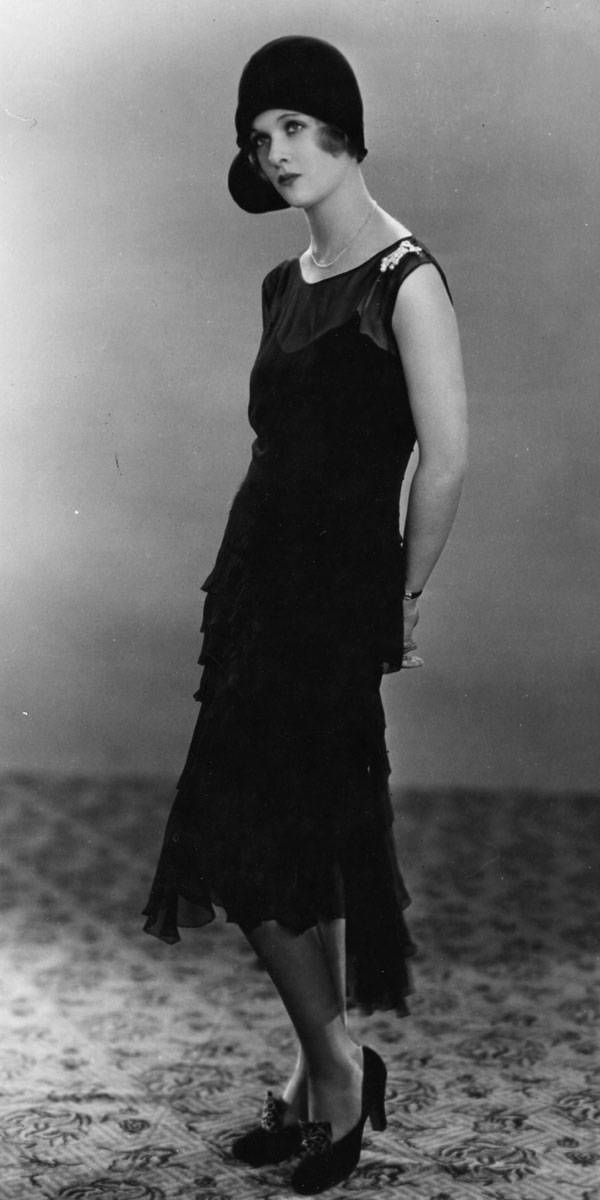
The Evolution Of The Little Black Dress Chanel Little Black Dress Little Black Dress 1920s Fashion

History Of The Little Black Dress From Coco Chanel To Audrey Hepburn Little Black Dress Black Dress Edgy Fashion Chic

Black Magic Chanel Little Black Dress Little Black Dress Black Dress

A dress can be any one piece garment containing a skirt of any length and can be formal or casual.
Black dress history. The most iconic black dresses in fashion history from audrey hepburn s givenchy dress to elizabeth hurley s seriously sexy safety pinned versace number vogue maps out the most iconic little. Fashion historians ascribe the origins of the little black dress to the 1920s designs of coco chanel and jean patou intended to be long lasting versatile affordable accessible to the widest market possible and in a neutral colour. The dresses were big the designs were elaborate.
Dreamed up in part as a nod to next year s centennial anniversary of women s suffrage the exhibit spans 150 years of history and contains plenty of eyebrow raising facts. A fashion evolution provides a deep dive into the history of an iconic staple of women s fashion. Marie claire is supported by its audience.
A dress also known as a frock or a gown is a garment traditionally worn by women or girls consisting of a skirt with an attached bodice or a matching bodice giving the effect of a one piece garment. Today the dress is considered one of the most iconic black dresses in fashion history. Black or white were the color of choice for conservative.
Perhaps more than any other piece of clothing the little black dress is women have been told the essential the one that will take you practically anywhere. The little black dress lbd is a black evening or cocktail dress cut simply and often quite short. Though the little black swan popularized the look in the mid 1920s specifically with her model t dress published in vogue in 1926 the history of the lbd is actually centuries old.
Entering the victorian era women s dresses were almost uniform like. Its ubiquity is such that it is often simply referred to as. A black dress seems to make the body neater and smaller and to unify the parts hollander declares.
Black s effect on the eye gives it an irresistible visual appeal. The 1970s were all about color.

Little Black Dress Nancy Zhang The Sea Of Fertility Chanel Little Black Dress Coco Chanel Fashion Fashion History

A Short History Of The Little Black Dress Little Black Dress Fashion Dresses
